
Saving energy while using air conditioning (AC) can not only help reduce your utility bills but also contribute to environmental sustainability. Here are several tips to help you save energy while using AC.
Set the Thermostat at an Optimal Temperature
During the summer, set your thermostat to the highest comfortable temperature. Each degree you raise the thermostat can save around 3-5% on your cooling costs. An ideal temperature is around 78°F (25-26°C) when you’re at home and 85°F (29-30°C) when you’re away. Use programmable thermostats to automatically adjust the temperature when you’re not home.
Use Ceiling Fans
Ceiling fans can help circulate air, making you feel cooler at higher temperatures. This allows you to set the thermostat a bit higher without sacrificing comfort. Remember to turn off fans when you leave the room, as they cool people, not spaces.
Keep Windows Covered
Close blinds, curtains, and shades during the hottest parts of the day to block out direct sunlight and heat. This simple step can significantly reduce the heat load on your AC system.
Seal Leaks and Insulate
Proper insulation and sealing gaps in doors, windows, and walls can prevent cool air from escaping and warm air from entering your home, reducing the workload on your AC. Check weatherstripping and caulking around windows and doors regularly.
Maintain Your AC System
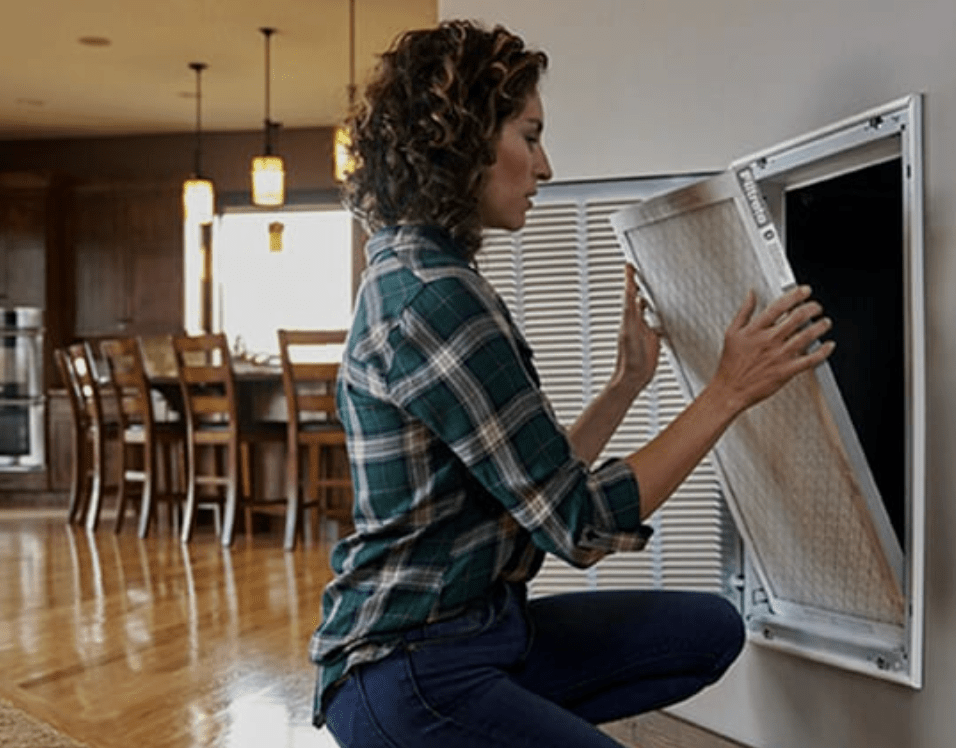
Regular maintenance, such as cleaning or replacing air filters, helps your AC run efficiently. Dirty filters can restrict airflow and make the system work harder. Schedule annual professional maintenance to keep your system operating at peak efficiency.
Use Energy-Efficient Appliances
When purchasing new AC units, opt for models with high energy efficiency ratings (SEER – Seasonal Energy Efficiency Ratio). These units consume less electricity while providing the same cooling capacity. Look for ENERGY STAR certified equipment.
Use a Programmable Thermostat
Programmable thermostats allow you to set specific temperatures for different times of the day. You can program them to increase the temperature when you’re not at home and cool down before you return. Smart thermostats can even learn your habits automatically.
Ventilate During Cooler Hours
Open windows and create cross-ventilation during cooler parts of the day (early morning and evening) to let in fresh air without relying solely on the AC. This natural ventilation can significantly reduce cooling costs.
Cook and Use Appliances Wisely
Cooking generates heat, so use your oven and stove during cooler parts of the day or consider grilling outdoors. Run heat-generating appliances like dishwashers and clothes dryers during the evening when it’s cooler.
Consider Zoning and Smart Thermostats
Zoning systems allow you to cool specific areas of your home instead of the whole space. Smart thermostats can learn your habits and adjust cooling accordingly, providing comfort where and when you need it while saving energy elsewhere.
Use Fans Wisely
Use bathroom and kitchen fans to expel hot air while cooking or showering, but turn them off when you’re done to avoid expelling conditioned air. Whole-house fans can also help cool your home efficiently in the evenings.
Seal and Insulate Ducts
If you have a central AC system, ensure that your ducts are properly sealed and insulated to prevent air loss. Leaky ducts can waste 20-30% of the conditioned air before it reaches your living spaces.
Remember that small changes can add up to significant energy savings over time. By implementing these tips, you can stay cool while minimizing your AC’s energy consumption. Contact Cool Season Heating & Cooling for a professional energy audit to identify the best strategies for your home!
 callcoolseason.com
Leave a comment